
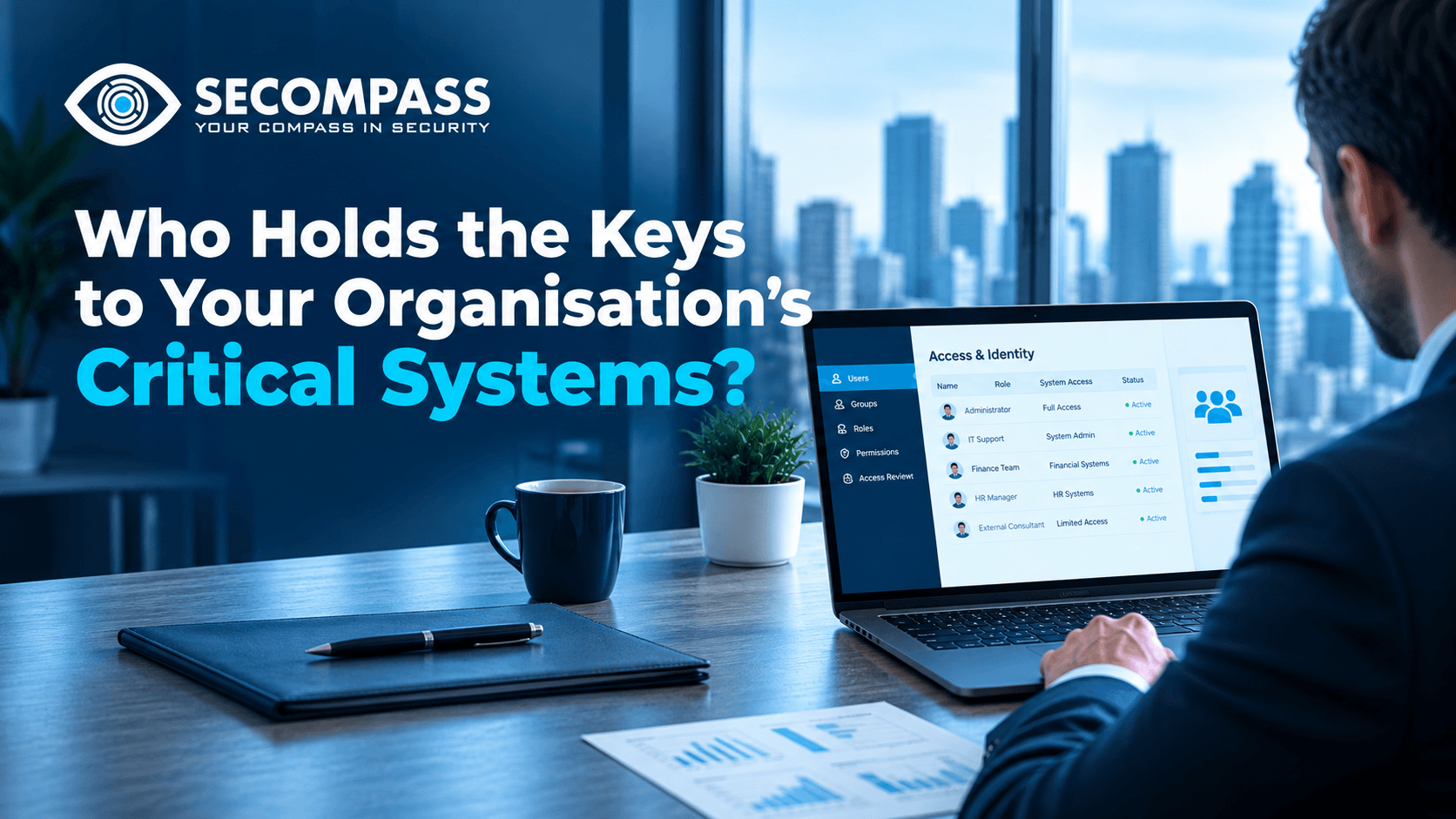
Who Holds the Keys to Your Organisation's Critical Systems?
Privileged access can open the door to some of an organisation's most important systems and information. New Australian and New Zealand guidance highlights why understanding who holds that access, what it can reach and how it is protected should be a governance priority.
Are Your Security Controls Still Effective?
Security controls can be in place and operating as designed, but are they still effective? As cyber threats evolve to evade detection, organisations need ongoing assurance that the controls they rely on continue to manage risk.
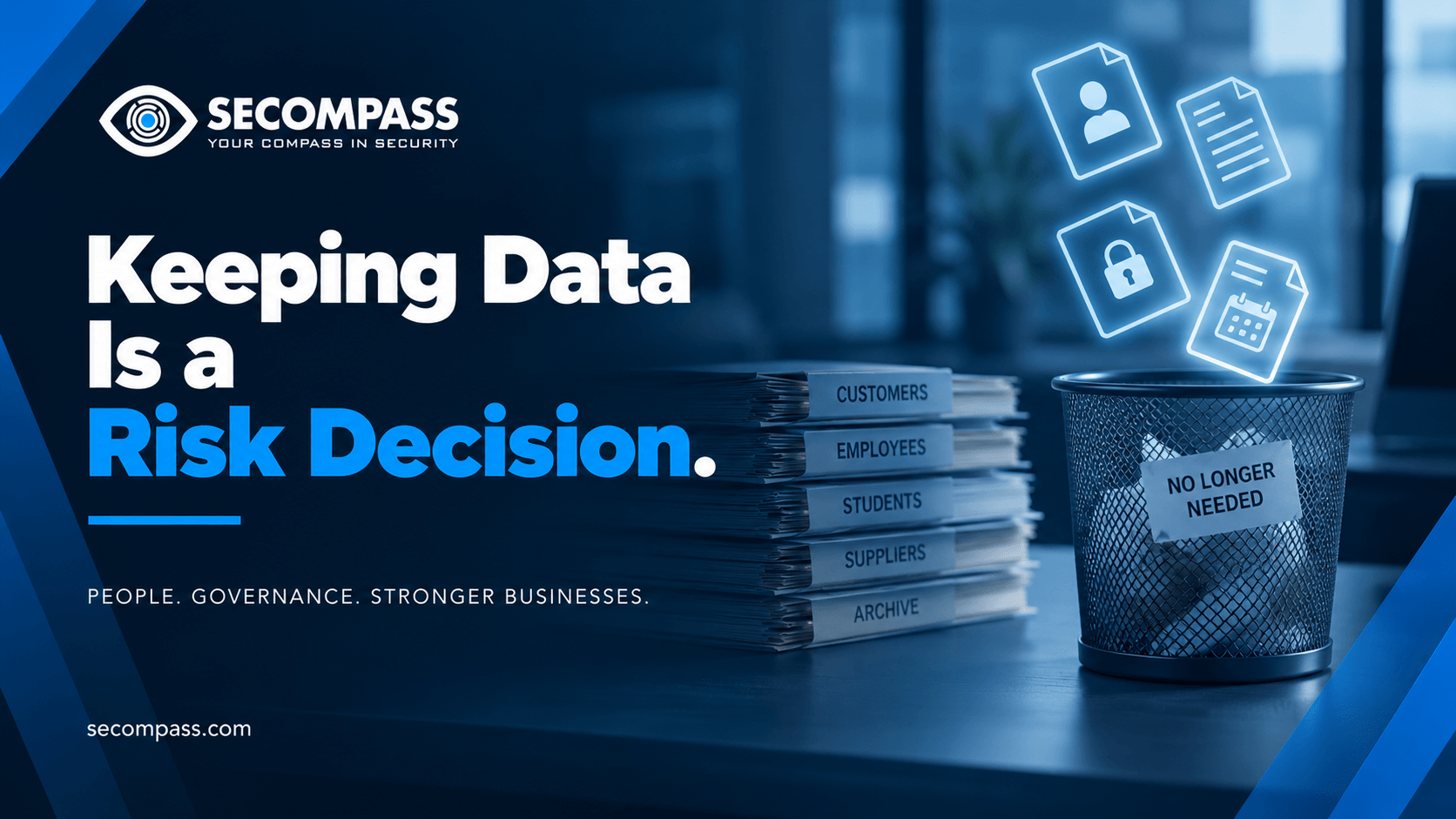
Keeping Data Is a Risk Decision
Keeping personal information creates an ongoing responsibility. The Mathspace data breach highlights why organisations should understand what data they retain, why they still need it, and what happens when that purpose ends.
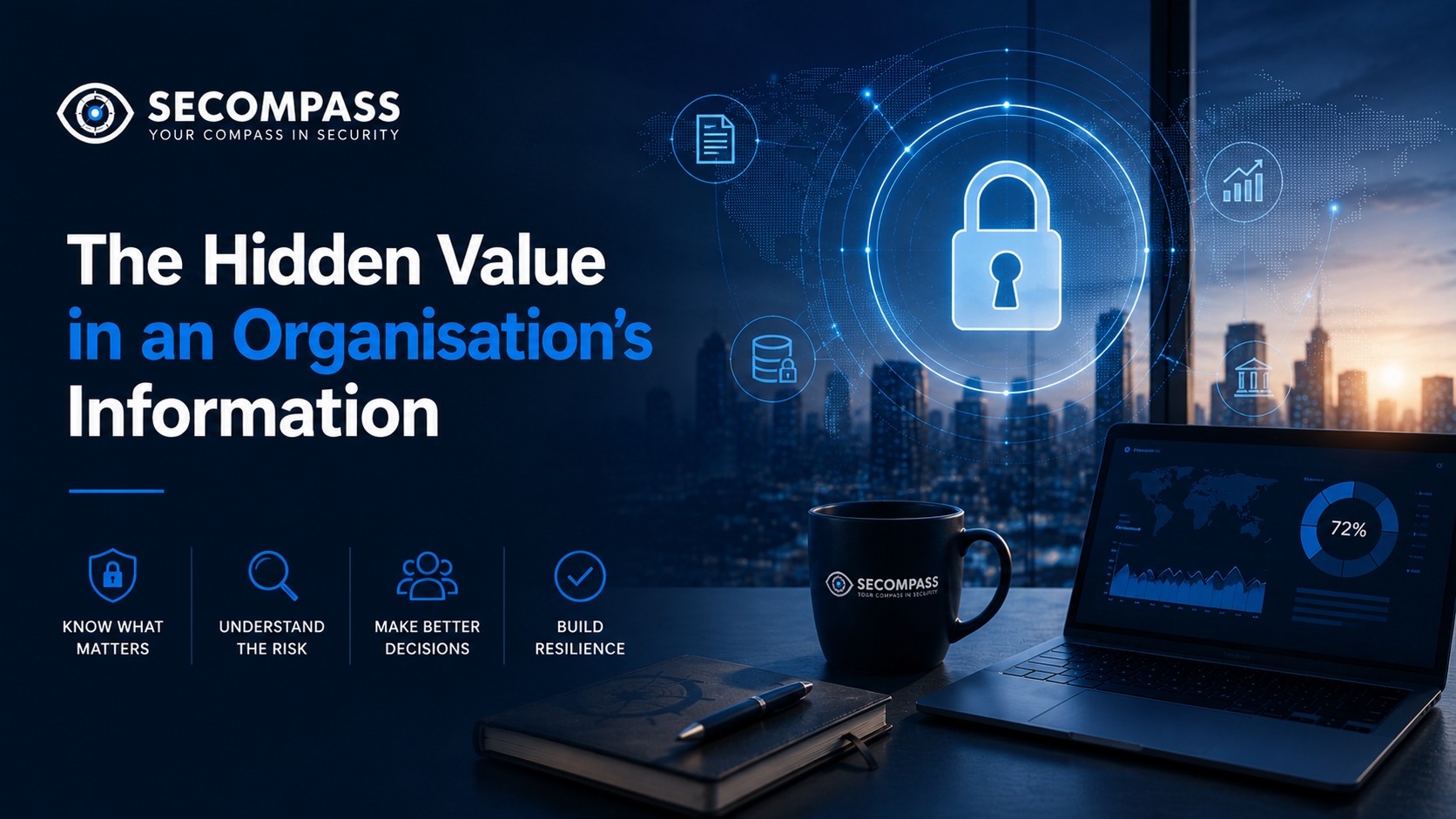
The Hidden Value in an Organisation’s Information
Organisations often hold valuable information beyond customer data. Understanding the value of intellectual property, research, technology and strategic information can help leaders identify what matters most and prioritise cybersecurity protection accordingly.
The Growing Role of AI in Cyber Defence
AI is creating new opportunities to strengthen cyber defence. Discover how organisations can use AI to improve detection, prioritisation and response while maintaining strong governance, human judgement and accountability.
Beyond Security: Protecting the Business
Cybersecurity is not only about protecting systems. It is about protecting the business, its operations, people, customers, and ability to continue with confidence when cyber risk emerges. This article explores why executive readiness, operational resilience, and informed decision making are essential to turning cybersecurity into genuine business protection.
Cybersecurity Should Protect Your Business, Not Just Your Systems
Preventing every cyberattack is not realistic. True cybersecurity maturity means protecting the business’s ability to keep operating when disruption occurs. Learn why business resilience, executive preparedness, and continuity matter.
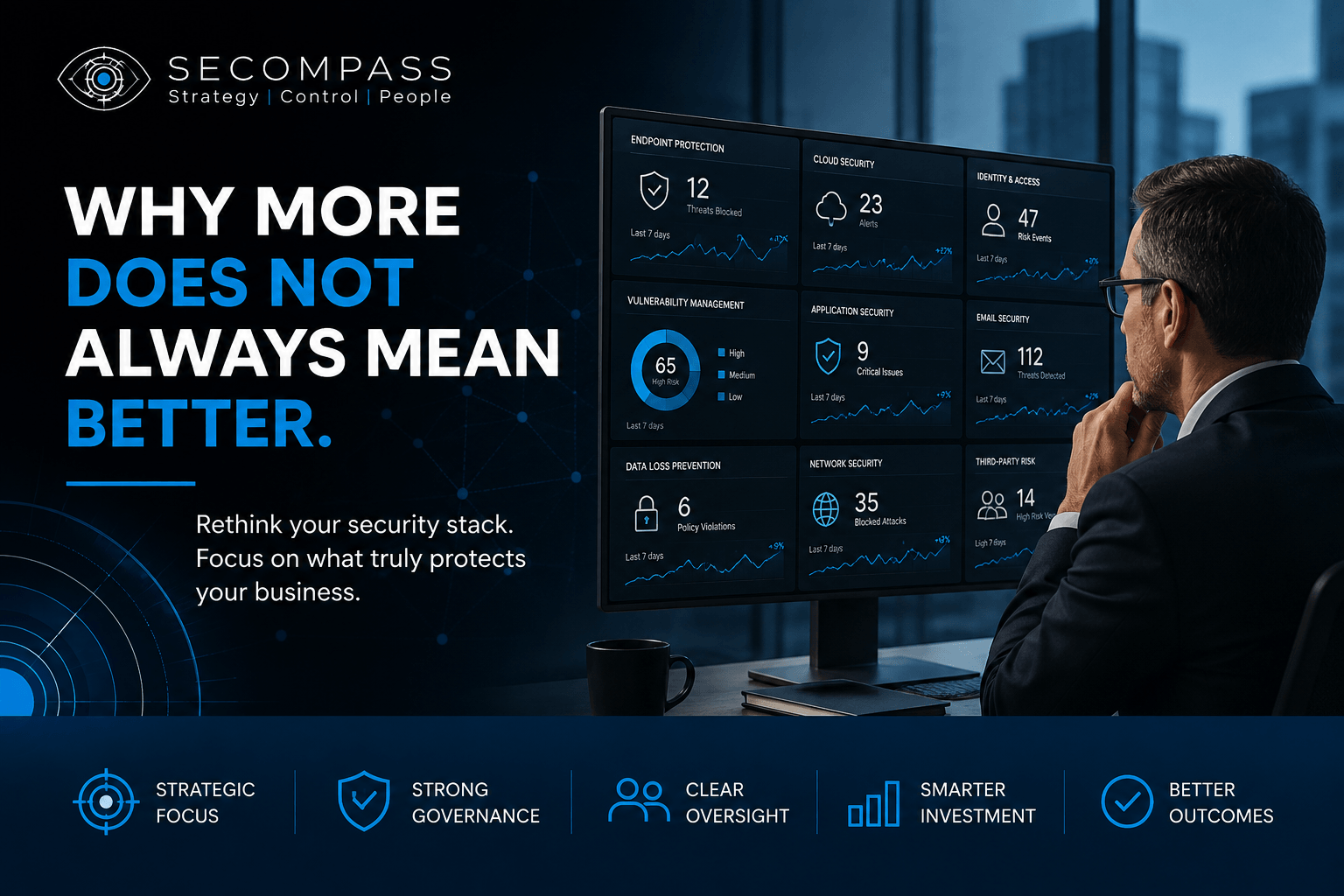
Why more does not always mean better
A billion-dollar cybersecurity acquisition signals a broader shift in the industry: fewer, more integrated platforms. Discover why strong governance, clear visibility, and strategic oversight deliver better security than simply adding more tools.
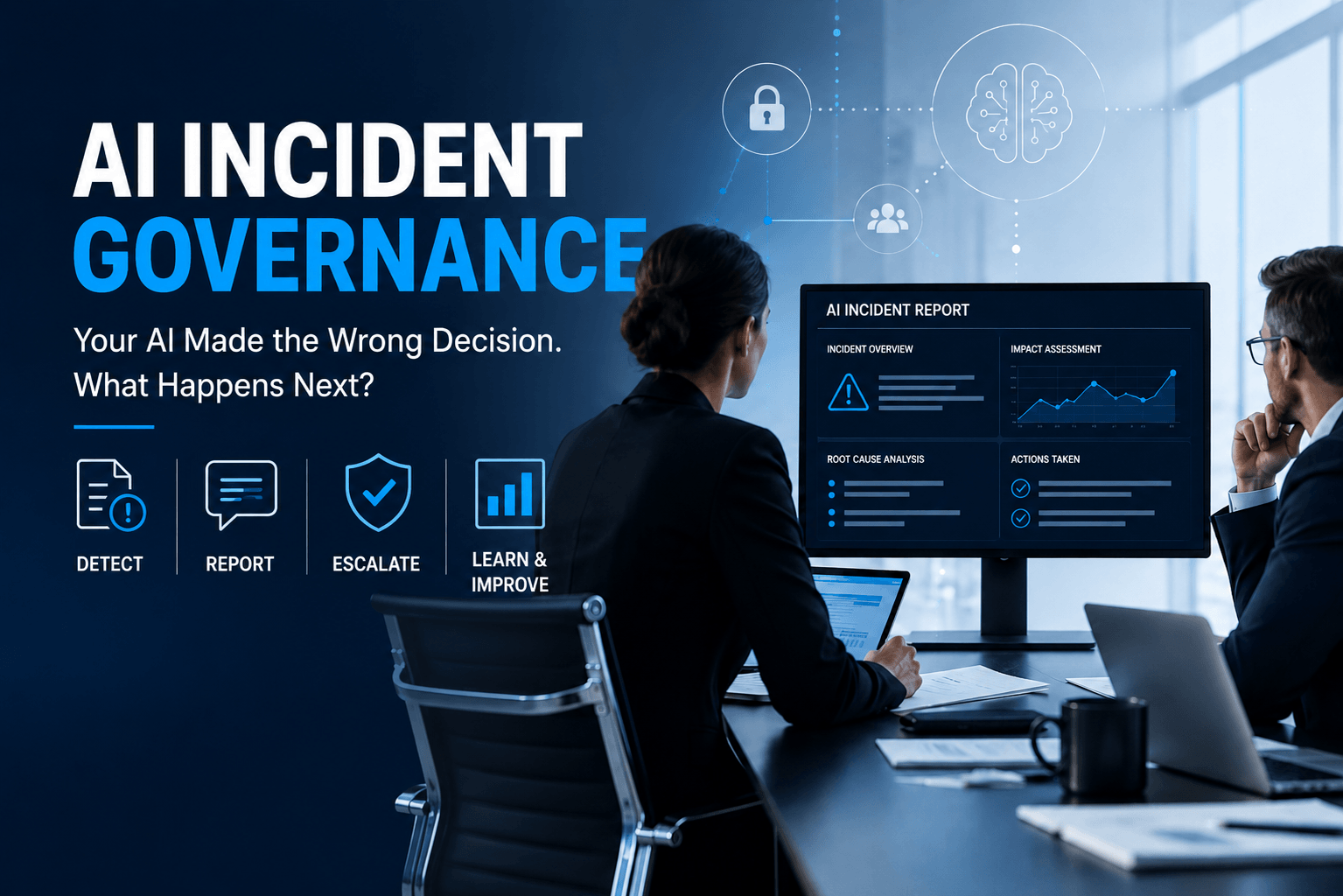
Your AI Made the Wrong Decision. What Happens Next?
AI systems can fail without stopping. As AI becomes part of everyday business operations, clear incident reporting, escalation and accountability are essential for managing unexpected outcomes and learning from them.
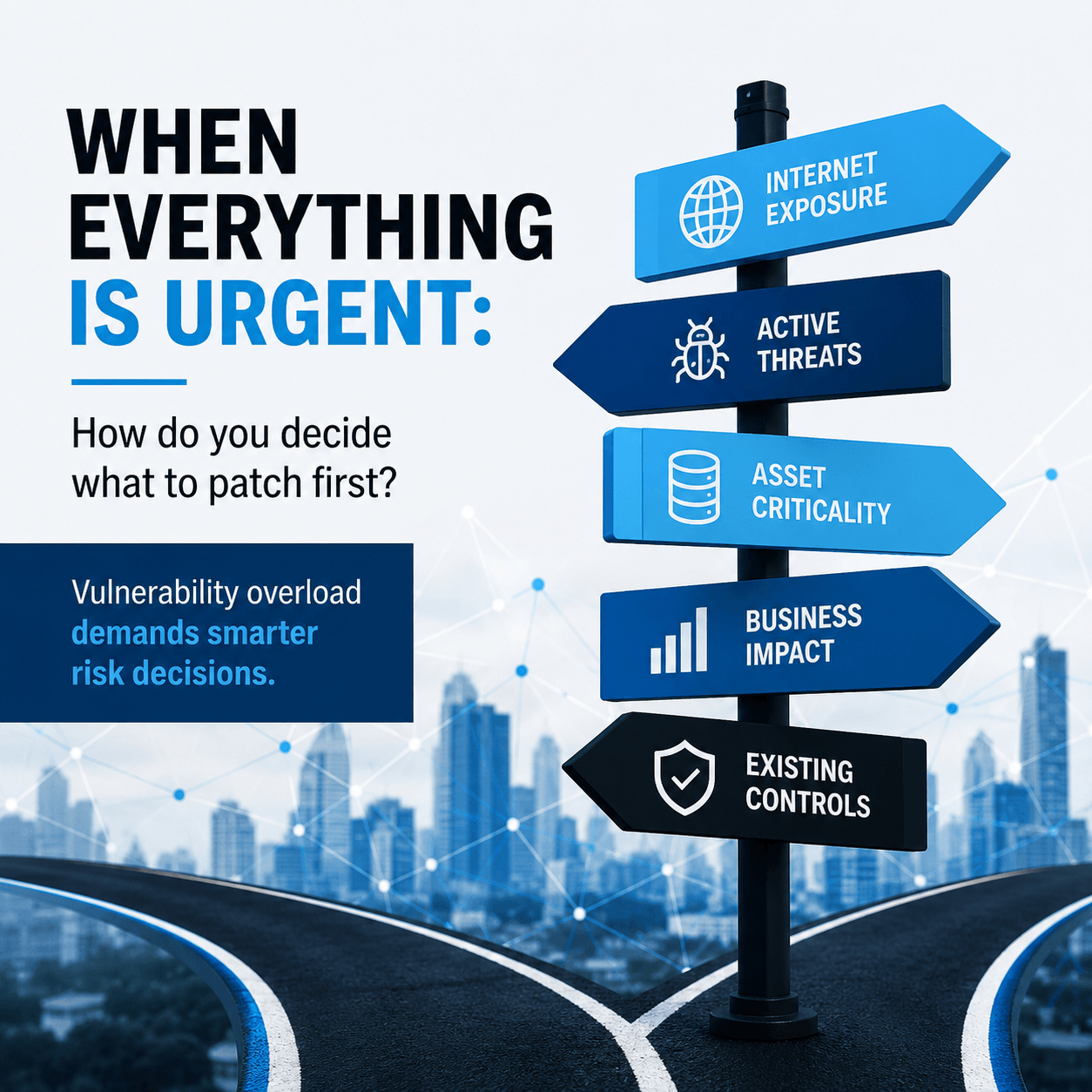
When Everything Is Urgent: How Do You Decide What to Patch First?
As vulnerability volumes rise, patching everything at once is rarely practical. Learn how organisations can prioritise remediation based on exposure, business impact and real risk rather than vulnerability counts alone.
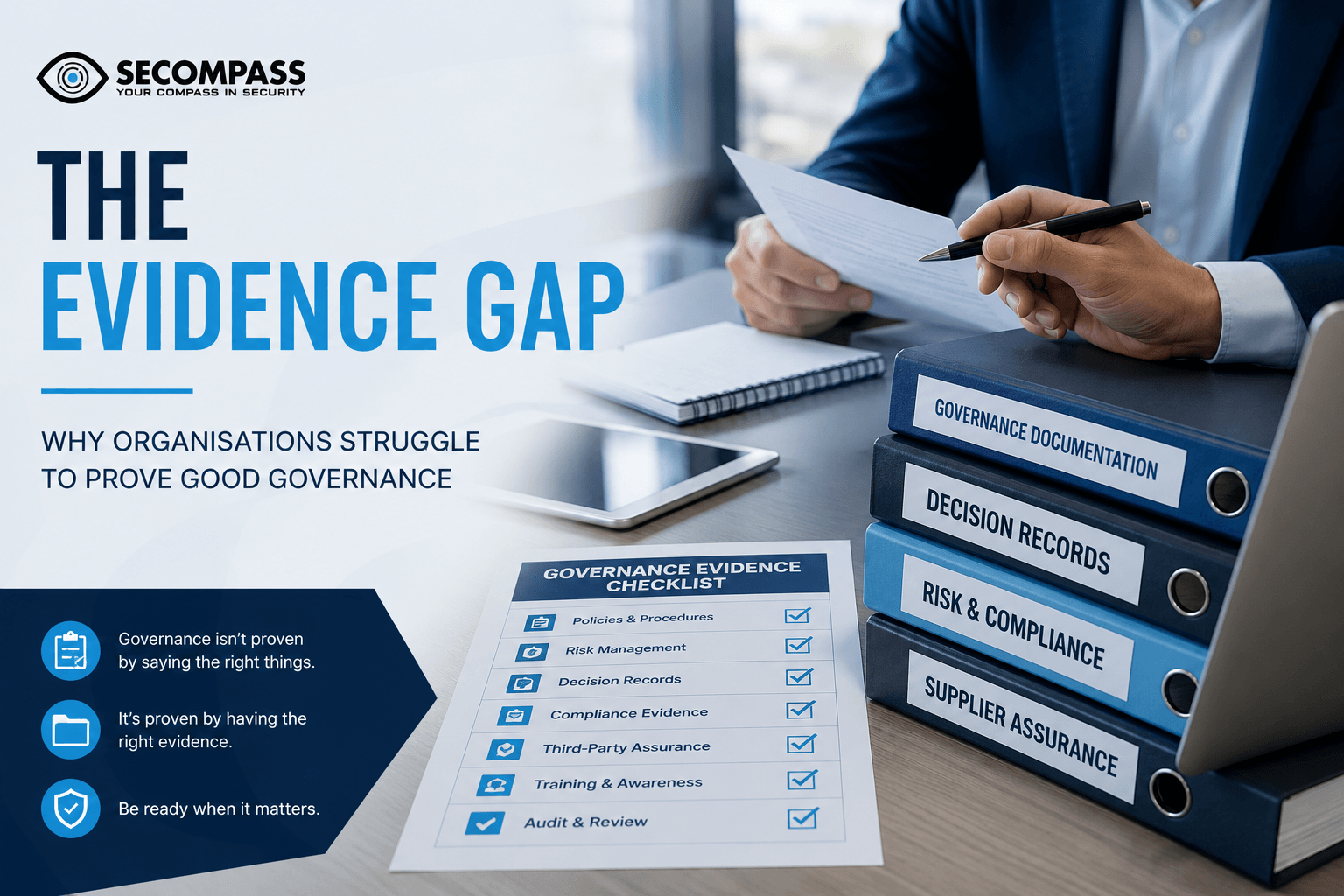
The Evidence Gap: Why Organisations Struggle to Prove Good Governance
Most organisations believe they have good governance. The real question is whether they could prove it today. Here is why the evidence gap catches so many out.
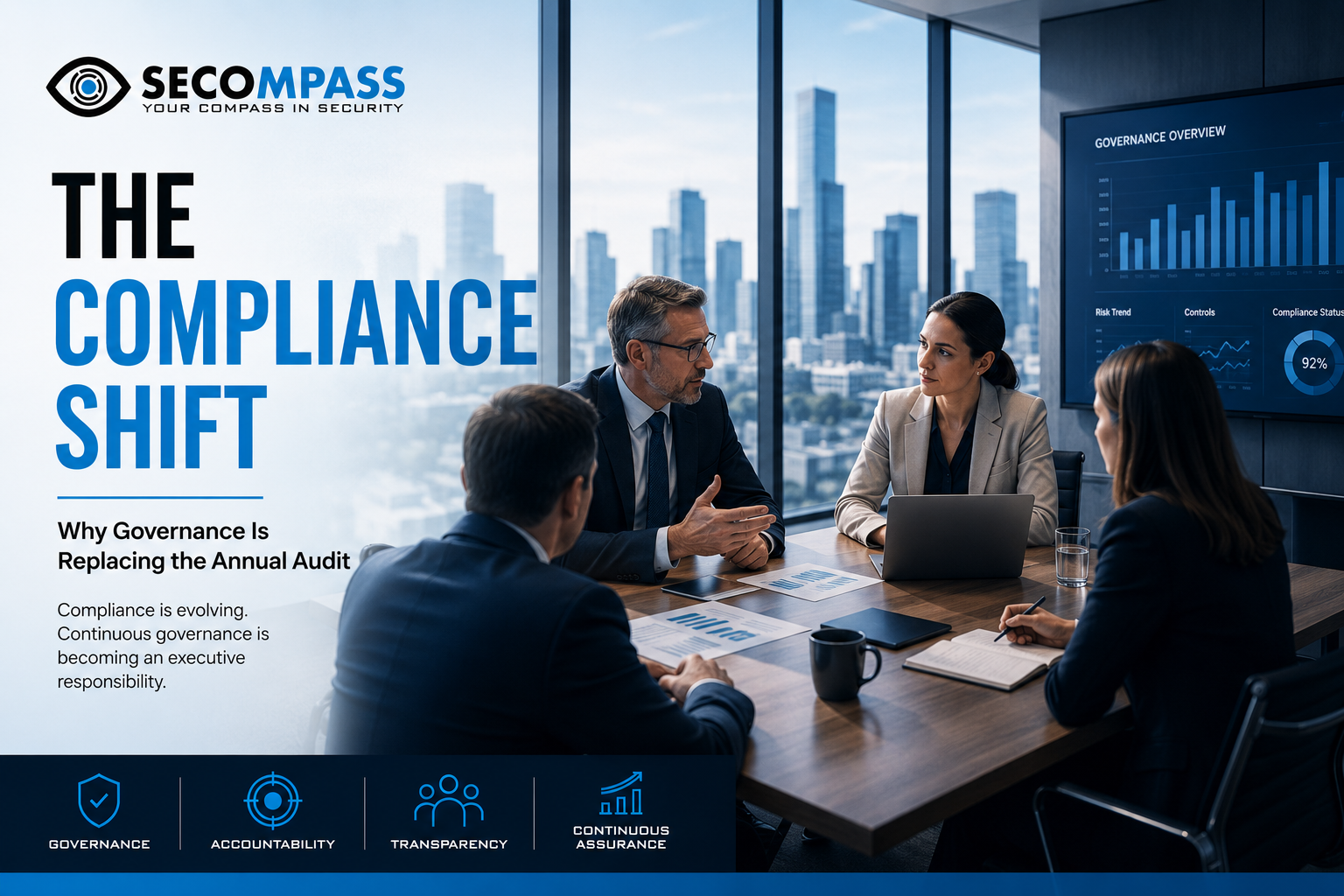
The Compliance Shift: Why Governance Is Replacing the Annual Audit
Australia's new Office of AI signals a broader shift in governance. Discover why compliance is moving beyond annual audits and what executive teams should do to prepare for continuous oversight.
Australia's AI Wake-Up Call
Australia's new national AI framework marks a turning point for executive leadership. Discover why AI governance is becoming a board-level responsibility and what organisations should do to prepare.
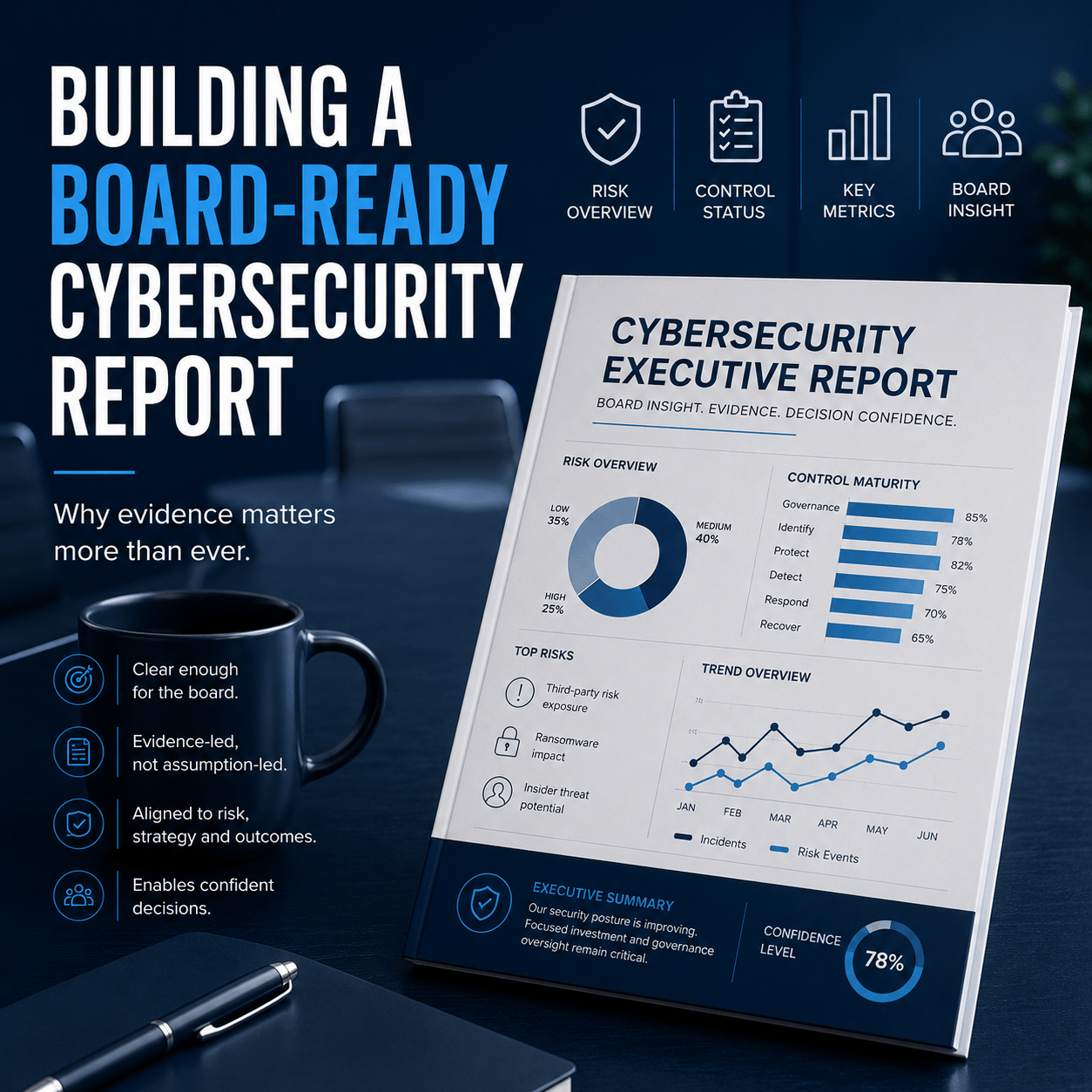
Building a Board-Ready Cybersecurity Report
Cybersecurity reports should help boards make informed decisions, not just review technical metrics. Learn what every board-ready cybersecurity report should include.
New Zealand's Cyber Incidents Reveal a Governance Blind Spot
Three major cyber incidents in New Zealand exposed more than technical failures. They revealed why governance, evidence, and executive readiness are becoming essential for every organisation.
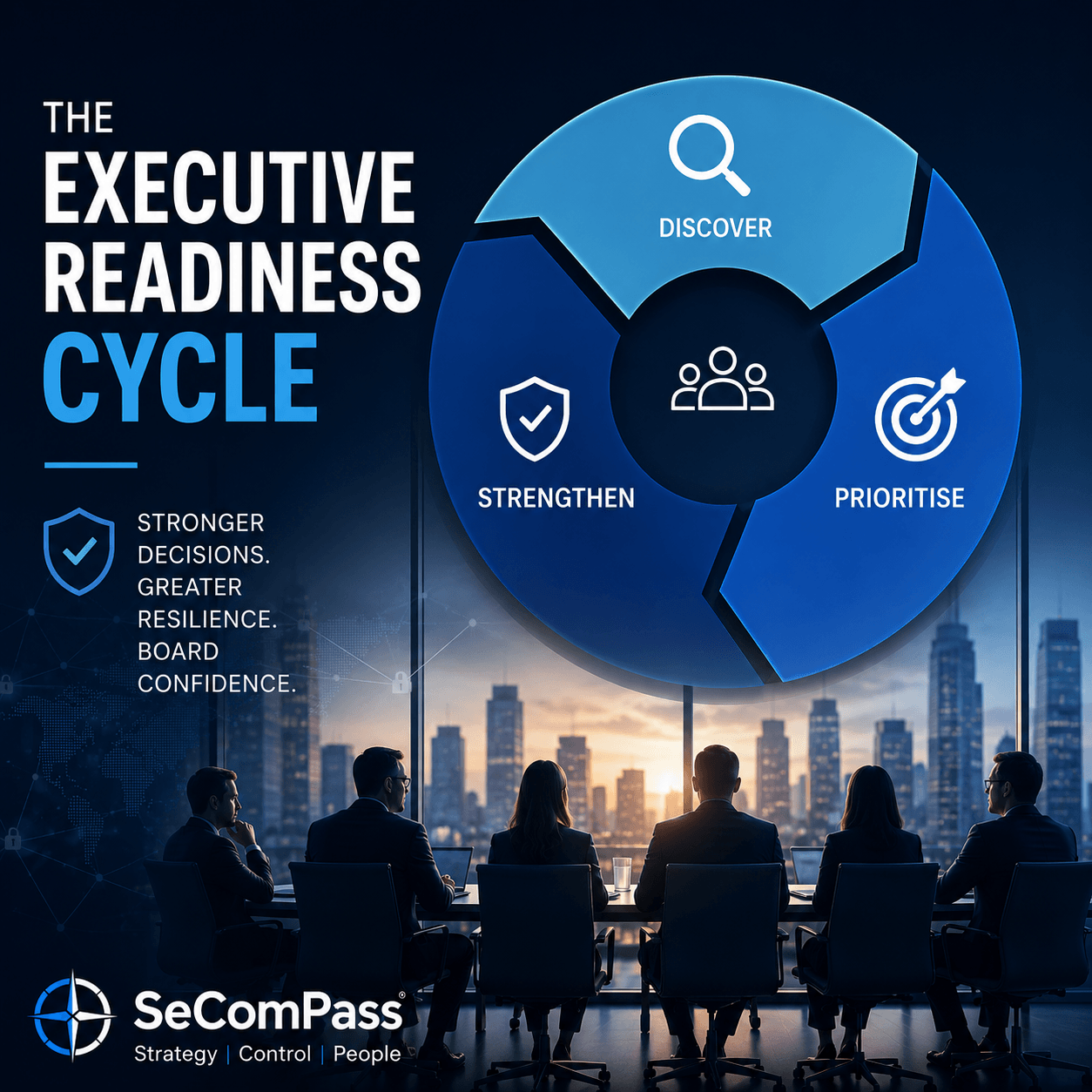
The Executive Readiness Cycle: A Practical Framework for Modern Cyber Risk
Recent cyber developments across Australia and New Zealand are reshaping how organisations approach cyber risk. This article introduces the Executive Readiness Cycle, a practical framework that helps executive teams strengthen governance, prioritise risk, and improve decision-making before cyber incidents become business issues.

Australia's Cyber Strategy Has Entered Its Next Phase. Has Your Business?
Australia's Horizon 2 Action Plan marks a shift from cybersecurity planning to execution. Learn what this means for executive readiness, governance, AI oversight, and why organisations need to demonstrate preparedness, not just security, in an evolving business and regulatory landscape.
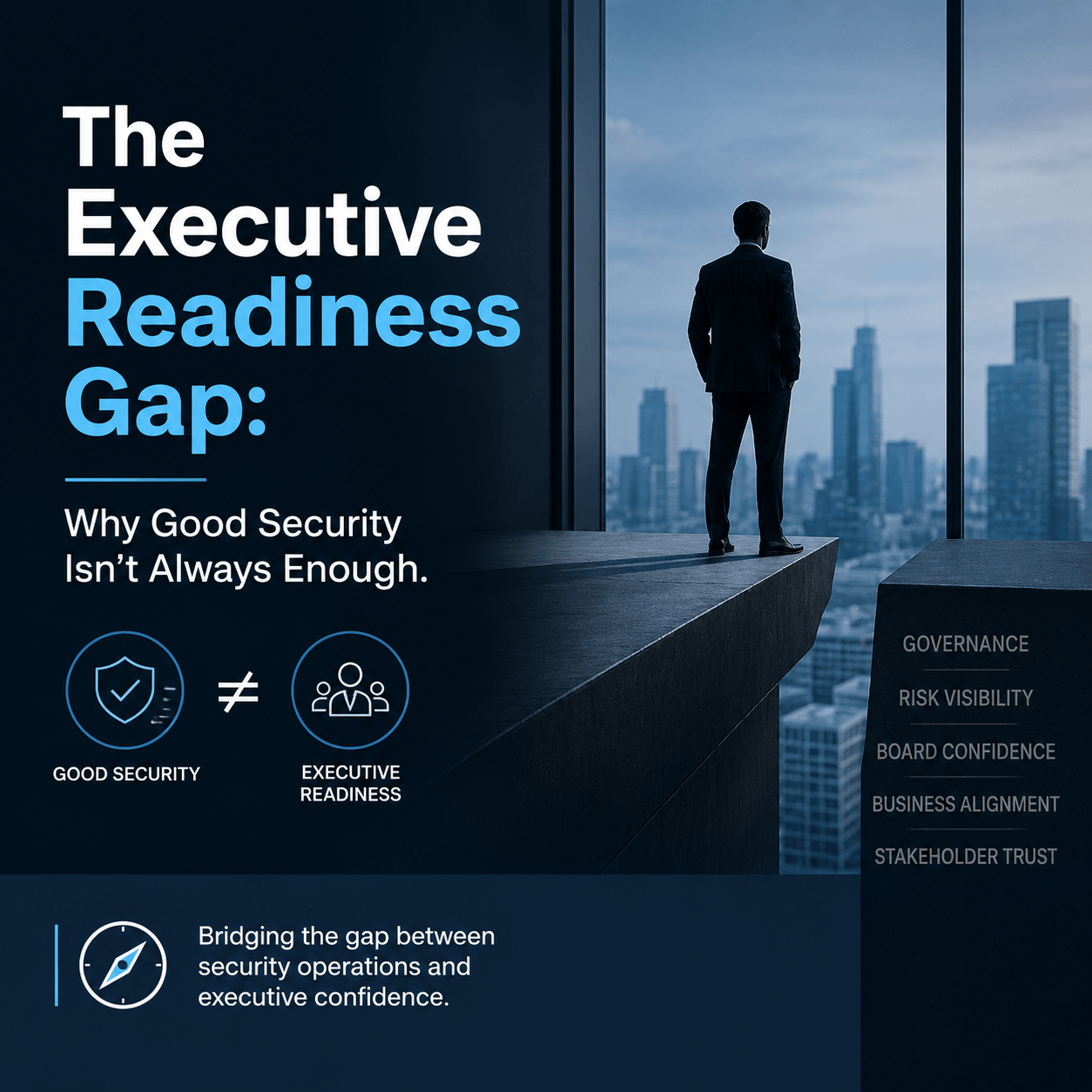
The Executive Readiness Gap: Why Good Security Isn't Always Enough
Strong cybersecurity controls don't always translate into executive readiness. As customer expectations, AI governance, regulatory requirements, and board oversight continue to evolve, organisations need more than good security. They need the confidence, visibility, and governance to demonstrate it. Discover the five signs of an executive readiness gap and learn how to prepare before your next audit, customer review, or board meeting.

Strategic Data Protection Officer Services in NZ: An Executive Buying Guide
Explore our executive guide to data protection officer services NZ. Learn to evaluate DPO leadership for strategic governance and Privacy Act 2020 compliance.
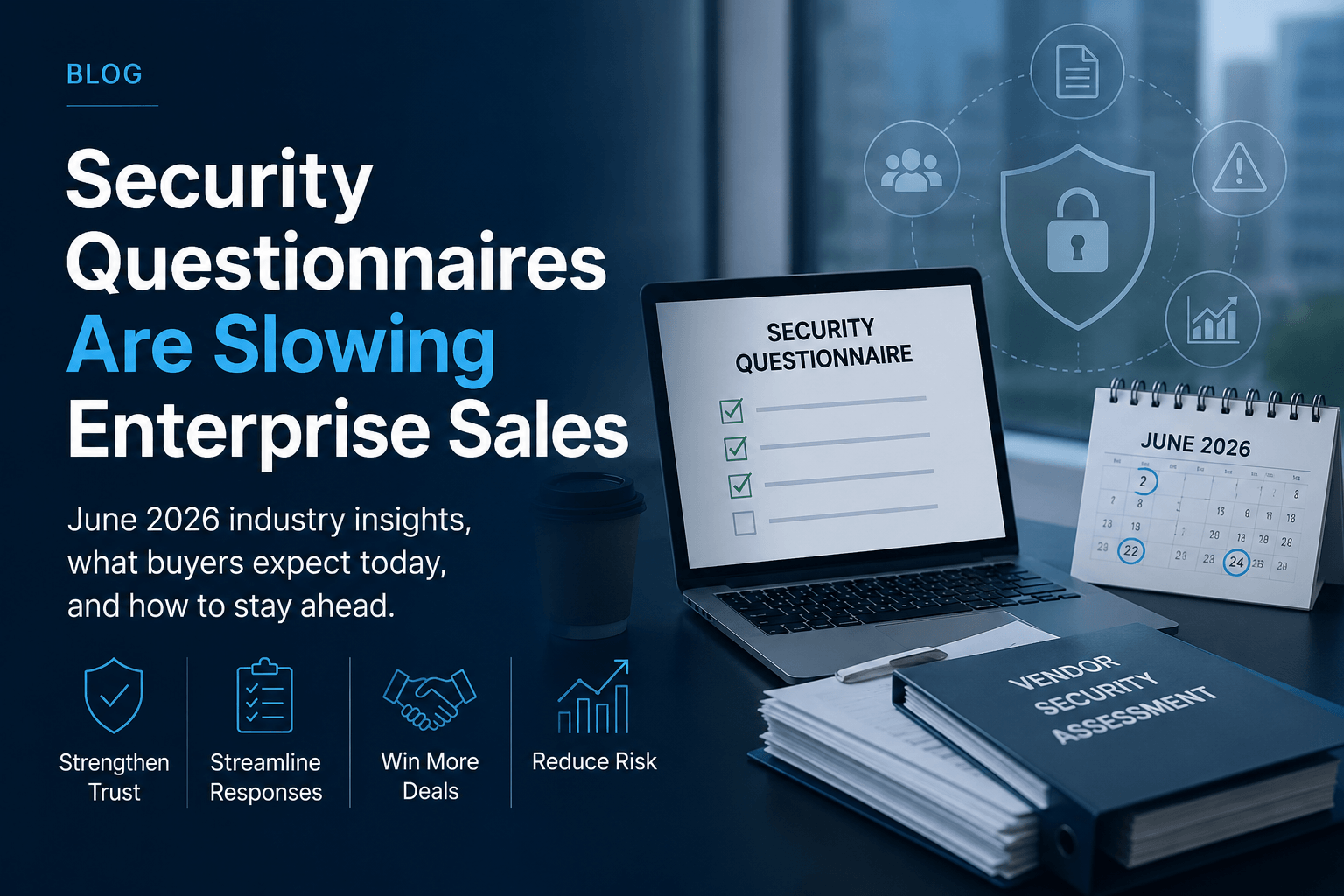
Security Questionnaires Are Slowing Enterprise Sales
Recent industry developments in June 2026 show that vendor security expectations are rising. As procurement teams demand stronger evidence of cybersecurity maturity, organisations are facing more rigorous security reviews, detailed questionnaires, and increased scrutiny. Discover what these changes mean for your business and the practical steps you can take to strengthen vendor assurance, improve procurement readiness, and build buyer confidence.